Get Paid To Promote, Get Paid To Popup, Get Paid Display Banner
Loading

2010年10月29日 星期五

FOOTWEAR| The Craft of Cheaney

Exactly one week ago I shared the news that Joe Casely-Hayford for John Lewis would be returning for the new season. The sophomore collection of this intriguing collaboration once again celebrates true craftsmanship and home grown British manufacturing. With collaborations with remote mills in Yorkshire, tartan experts in Selkirk and respected bag maker Chapman to name but a few, the collection once again brings seemingly specialist products to a wider audience without losing any of the integrity that make their products special.


The Cheaney brogues typify why this capsule collection is so exciting: the collaboration of great British design talent with heritage brands coming together for the high street. During my excited ramblings I mentioned the fact that I was invited to watch the Cheaney craftsmen at work at their Desborough factory. I eagerly followed and snapped away at each well honed and practiced process from start to finish in the factory that has been their home for well over two hundred years.


Before I offer an abundance of 'factory porn' and talk you through the processes of what makes Cheaney footwear special I have to acquaint you with the brand and give you a little background. The name might not feel that familiar on first reading but I'm quite sure that you've seen or indeed worn their work without even knowing it. In addition to making fine, bench made shoes under their own label, the factory sees them create footwear for the likes of Gieves & Hawkes, Paul Smith, Jeffrey West and more recently Lodger. As I strolled through the space and watched the one hundred plus workforce in action it became apparent that Cheaney are a classic English shoe brand undergoing something of a quiet and assured metamorphosis under the ownership of William and Jonathon Church. Founded in 1886 by two brothers, Joseph and Arthur Cheaney, Cheaney quickly became one of the premier shoemakers of England. It is their ability to blend the past with the future, using the finest materials available, which has enabled them to become and remain one of the premier producers of Goodyear welted shoes in the world today. On a point where some of their competitors have wandered, both William and Jonathan Church are fully committed to producing footwear entirely made in England. They believe that moving offshore would lose the essence of the brand. The craftsmanship and well honed skills are essential to the product and it was a pleasure to be able to watch it all unfold in a space that has seen the same processes come together for over two centuries. It is little wonder why Casely-Hayford partnered with them.


Cheaney represent the height of English Bench Made shoe making. It takes eight weeks to make a pair of Cheaney shoes, it involves around one hundred and sixty hand operations, from cutting the leather through to finishing, combining the best of contemporary design with superb quality. Given how much of a factory pervert I am, you can only imagine how many photographs I took as William Church guided me through and in to the nooks and crannies of this well oiled assembly line of true craftsmanship. I have managed to hone them down and will now use them to guide you through the main shoe making processes.


What makes a Goodyear wellted brogue?


The first construction stage is clicking and this is the process where the leather is cut. The term clicking refers to the sound made by the knife. Depending on the shoe, this stage can be performed by a press knife – a pneumatic machine that effectively punches through the leather like a cookie cutter or by hand and I watched both practices performed during my stay. It was amazing to watch how the craftsmen made use of the hide. During this stage it was different aspects of the hide and the fact that the skill of the craftsmen ensures that the best of the leather is used for the uppers (as a rule, the further back you go on the animal, the better the quality of skin) and that there is minimal wastage.


I was surprised at how much of this was still performed by hand.


I took a peculiar amount of delight in marveling at this table of components


Clicked leather, ready for the next stage...


The next stage is closing. The is where the various parts of the upper are sewn together. With a bespoke shoe it would be done by hand, but every other type of shoe is closed by machine. I was amazed at how precisely yet quickly the machinists turned the clicked leather segments in to recognisable shoe forms.


The upper begins to take shape.


The embellishment of the upper.


Given the intricacy of the pattern it was mind blowing to see how fast the ladies transformed the uppers.


Another closing scene that is only just the beginning for this shoe.


The next stage is lasting. As I entered this intimidatingly large and machine heavy part of the factory I was instantly taken by the dominance of one gender, males. The prevalence of women in the 'closing' area had gone seemingly unnoticed but the moment I stepped in to this space, the lack of women was obvious. I'm just not used to being in such gender defined environments. As I manoeuvred my around the testosterone I was able to watch what makes Great British shoemaking so great.


The lasts.


Throughout the shoe making process the leather loses moisture so here the uppers are placed in a steam machine to soften the leather.


The uppers are then pressed and pinched on to the last...


The shoe is readied for the welted sole with the help of a few staples...


A closer look at the early stages of the lasting process.


Any wrinkles are smoothed out before the iconic lasting stage...


Goodyear Welting is, after two hundred years of shoemaking in Northampton, still considered the finest method of shoe construction. Once the upper leather has been 'closed' it is placed onto the wooden last and the insole is attached. A strip of leather called the 'welt' is then stitched through the upper leather to the underside of the leather insole. The outer sole is then stitched to the welt. This 'Goodyear welting' is time consuming and requires highly skilled craftsmen. However it means the sole can be replaced time and again without damaging the upper leather. As the leather components are stitched rather than glued together all the natural properties of the leather are retained, giving superior thermal insulation, durability and shape retention, as well as the best possible breathing conditions for feet. The more a Goodyear Welted shoe is worn, the more comfortable it becomes as the leather components gradually mould to the shape of the foot.


A closer look at the highly important welting.


The welt is fed and stitched using this ingenious machine. I watched this process over and over again.


This process is so important to English shoe making


The under sole is then prepared for the outer shell.


A strip of wood is inserted to ensure a better structure before the outer sole is glued in to place.


The excess from the outer sole is removed


The next stages sees the welt sewed to the upper, and both to the sole. I was told that doing this by hand takes a great deal of time and this is an area where industrial advancements have really helped. Each stitch has to be locked, using two threads that effectively create a knot at every stage. Doing it by machine takes a matter of minutes, so almost all bench made shoes do it this way. It is no less impressive though.


The machine in action


A closer look at how the stitching is locked


We then move on to the final two stages, the bevelling of the waist and polishing of the the upper. These processes should not be underestimated because they combine to provide the distinguishable aesthetic of English made shoes very special indeed. Bevelling is a particular treatment of the waist of the shoe, specifically that part of the sole at the waist lying between the flared-out ball-of-the-foot area and the heel. The treatment is one in which the sole at that point is shaped into a quite convex form, with the bottom of the curve right in the middle (from side to side), and the sole curving up at the edges.


The sole and heel are sanded and smoothed using various machines.


The heel takes shape.


The surface is smoothed and rounded
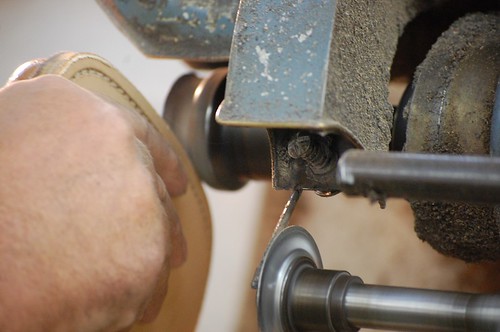


The attention to detail and reliance on the craftsman's eye are key at this point.


A more recognisable form. Simply stunning.
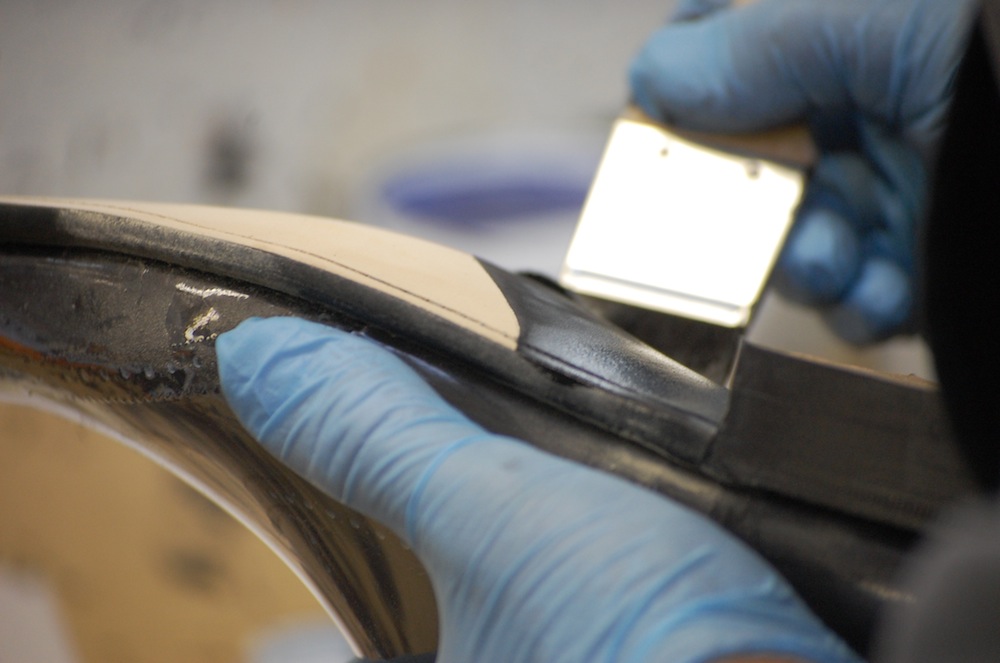


Applying the finishing touches to the sole.


On to the burnishing of the upper. I've never seen polish applied so quickly and enthusiastically.


The final product ready for packing.


Notice the variety of designs.


During my time at the factory I was able to see firsthand snapshots of the creation process for the latest Joe Casely-Hayford for John Lewis, Cheaney brogue. The Mentor shoe is a new take on the classic Oxford. It showcases sophisticated design elements including an integral punched toe cap and a chamfered Goodyear Welted sole to make a shoe both wonderfully stylish yet practical. I was fortunate enough to view the finishing touches being applied to one of the final dozen due to be dispatched to John Lewis, ready for sale later this month...


A final inspection.


A quick finish to ensure perfection in each and every shoe.


The Mentor shoe will be available to purchase very soon.


Using only the best available materials, including calf upper leather and oak bark tanned soles, Cheaney's craftsmen apply their skills to produce handmade and benchmade shoes which maintain a standard seldom equalled in the world of Goodyear welted footwear. As I walked through and looked on at each process of construction, the balance between old but proven techniques and machinery from various eras since the industrial revolution, really left a lasting impression on me. This is a company that continues to learn and strive for the highest quality in an environment that has changed very little in well over two hundred years. It was a real pleasure to watch them work and after spending a few hours there, it is obvious why Joe Casely-Hayford chose to work with them once again for this project.

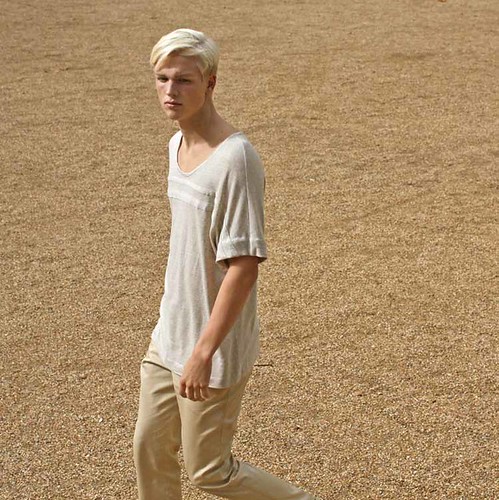
FASHION| Omar Kashoura's New Ease

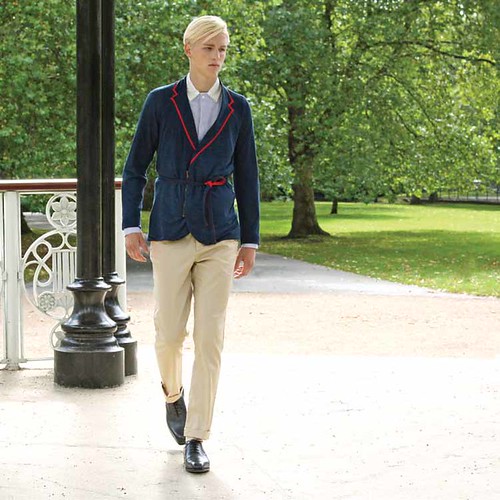
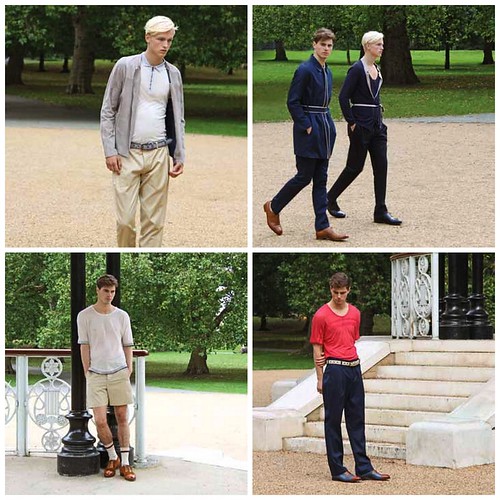
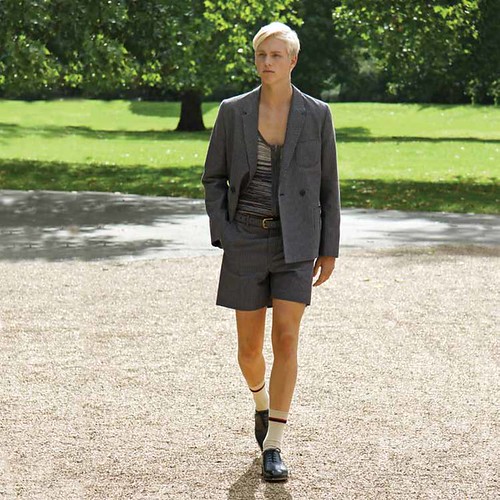
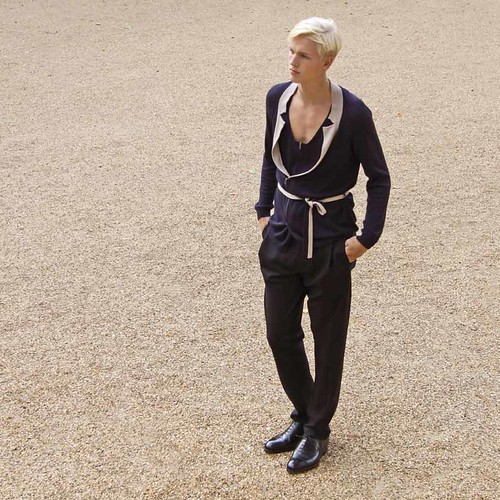
Although fashion tends not to acknowledge it, there is a make do and mend attitude for the mere mortal consumers amongst us. Omar Kashoura decided to channel the attitude of the ration book dictacted spirit of 1940s which has lurked in the shadows subsequent decades coming to the fore when times get tough.


When pockets are empty and wallets are slim, there tends to be a reversion to all things classic and this collection sees Kashoura outfit a self sufficient city sartorialist. Drawing inspiration from his own city lifestyle, he creates a collection designed for every day survival in an unforgiving metropolis. Throughout he revisits the idea of outfitting the modern gentleman and has created a collection that adapts with the demanding lifestyle of the wearer given the current economic woes. SS11 is a collection of basics that every man needs in his wardrobe. However, despite the austerity of the climate, Kashoura chose to invest in beautiful fabrications to create a featherlight yet versatile and highly practical collection. Knitwear and jerseys are aching to be touched. Having had the opportunity to marvel at the line in person a few times, I long for the opportunity to snap up a few pieces for myself. In the meantime, I am pleased to share the SS11 look book with you...


Look Book Credits... Styling by Julian Ganio. Grooming by Ian Jeffries. Photography by Alex Klesta. Shoes by Edward Green.


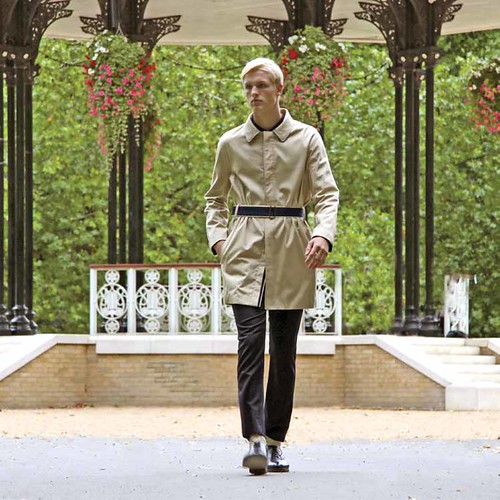
The Alex Klesta shot look book showcases Kashoura's self sufficient city sartorialist perfectly. Here is a man that is still making the most of the twenty four hour metropolis of the previous but now, taking the time to enjoy the changing scenery. For SS11 is all about a new elegance, a new ease.

BRAND| Neo Artisan Made in Komatsu

Twice a year my postman has to summon all of his might to deliver an inspiring parcel from the fine folks at J. Lindeberg. The generous large format book evolved from J. Lindeberg's desire to tell the complete story of what they do and why they do it. To inspire thoughts beyond the beaten track and the roads well worn while showing off their passion for craftsmanship and attention to detail. Last week my postman had to once again struggle, this time delivering the AW10 bi annual to my post box (it is now available online).


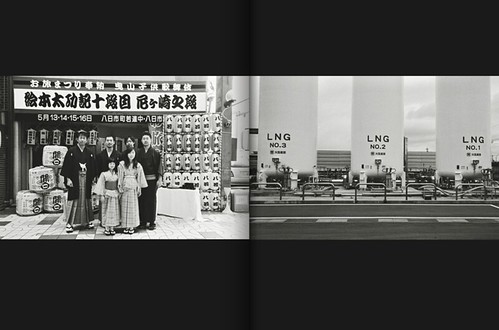
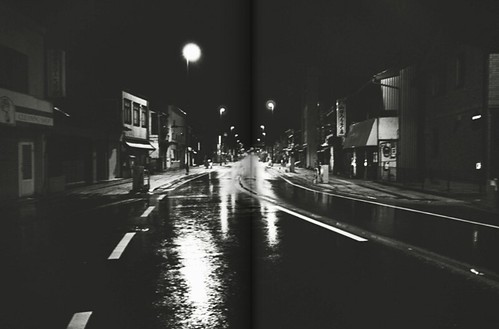
The story it weaves is one that expands way beyond the realms of the standard look book and runway views we are all accustomed to seeing. Throughout the book the reader is treated to an array of wonderful imagery while showcasing the AW10 collection. The True North is essentially inspired by the utility and function of workwear that has been reimagined for the modern world, utilising technical advancements and tailoring. The editorial that best explores this theme is Neo Artisan Made in Komatsu.


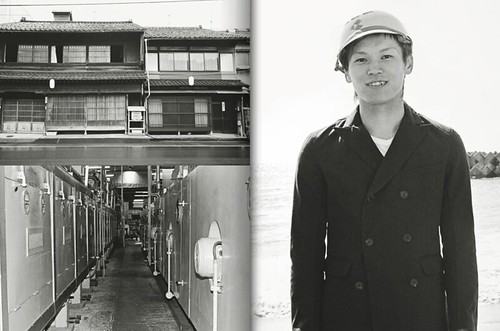
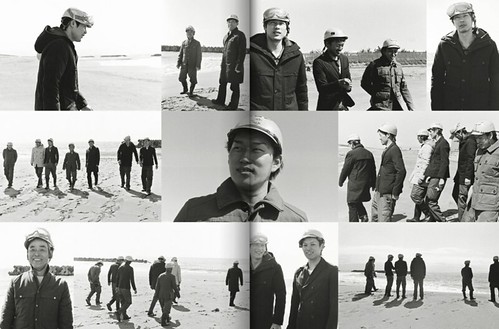
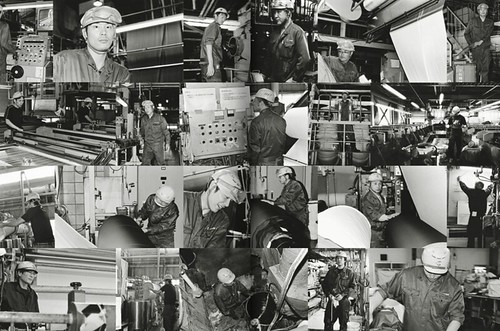
Photographer Waturo and features writer Nanako Yamamori traveled to Komatsu with designer Pierangelo d'Agostin in May 2010 during a chilly Japanese springtime. D'Agostin has been visiting his Japanese factories regularly over the years and knows the country as if it was his own land. It was the designers dream to share these experience of not just with the people who wear his clothes, but also with those who make the material from which his designs are crafted. So, he took his clothes back to their origin, Koamatsu Seiren and dressed the craftsmen using the fabric they had produced. Komatsu Seiren's unique vitality springs from the balanced cocktail of skilful specialism, high technology fibres and the untouchable power of the surrounding nature. Waturo manages to capture it all beautifully with his images. I just had to share them with you because they are a true celebration of the craftsmen and their surroundings.


The technicians at Komatsu Seiren are proud of their cultural heritage and have a unique identity. They have an ambition to develop new technologies based on their traditional skills. In a recent interview with Dazed & Confused, d'Agostin mentioned the importance of collaboration both with his tailor, Eugenio and his factories. He declared,  'perfection doesn't exist. If you find it you are lost. If you are convinced of having found it, it's time to change your job.' With the help of the craftsmen of Komatsu, d'Agostin will no doubt continue to chase perfection.

FASHION| Wrapping up in a gentle wake for Autumn


As the mercury has continued to ooze southwards in recent weeks I decided that my wardrobe was in desperate need for an injection of wool. Having recently posted about Braille's SS11 collection and the launch of their online store, my search wasn't a long one. As mentioned last month, the London based design duo, Benjamin Vorono and Samuel Kientsch, burst on to the scene at Vauxhall Fashion Scout back in February and they've since gone from strength to strength. A Gentle Wake took inspiration from an autumnal holiday on the Croatian coast. It showcased a smart, masculine silhouette while using wool, hemp and silk to create pieces that are both accessible and exciting.


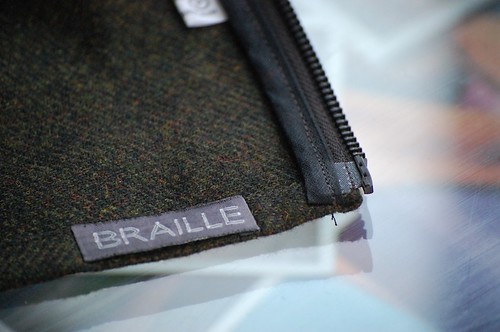
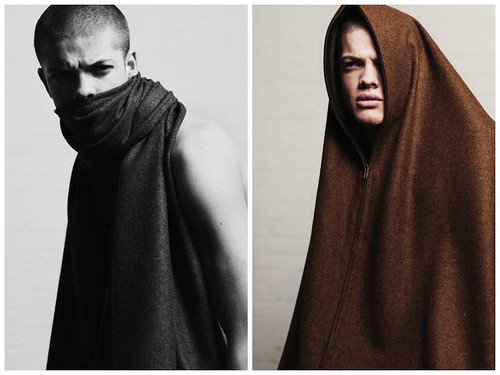
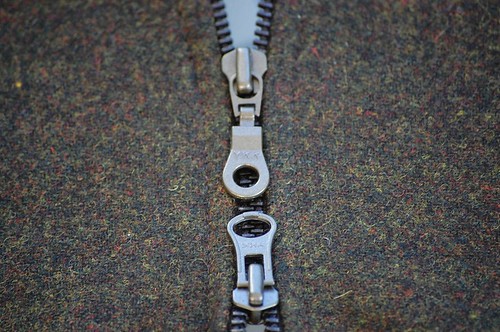
Working with the season friendly palette of brown, rust, forest green and grey, the duo breathed fresh life in to the wanting lungs of an assortment of classic essentials. Braille manage to encapsulate the ideal blend of minimalist design and modernity. The talented duo design garments that can effortlessly slide in to any man's wardrobe. Soon after their online store launched earlier this month and forced to resist the temptation of the other items, I snapped up the wool zip scarf. It was time to wrap myself up in a piece of gentle wake for Autumn...


Around this time last year I celebrated the season with a harvest festival of an outfit post inspired by Fantastic Man's October Look and I am itching do reenact this sartorial celebration. Ever since my eyes first encountered the combination of autumnal hues and the comforting and playful layering I have longed to dress in the true spirit of the season of dropped leaves. During October, the rich colours of autumn really come into play and should be celebrated. The forest green zip wool scarf will play an important part in this years ensemble. 


Dressed head to toe in various autumnal hues, it is difficult not to have a little fun standing in a pile of crisp leaves. However, too eager to wait for my next trip to Hampstead Heath I decided to share the scarf and the various ways of wearing it with you first. After the initial confusion of the double zip, I soon found my way...


Zip wool scarf by Braille worn with corduroy shirt and woll trousers by Uniqlo and crombie by ASOS Black.


Now, I'm off to construct my Fallen Leaf Outfit 2.0. Am I slightly mad for wanting to dress like a fallen leaf at the age of twenty six? The answer is of course a resounding yes but do I care? Not a jot. Dressing each morning should be fun. I will no doubt head to the Heath while it is at its most beautiful over the course of the next few weeks and this Braille scarf will undoubtedly adorn my neck.

LIVING| Stores unite for the Indigenos

Veja are considered by many to offer some of the greenest sneakers and rightly so. There is however, far more to them than their eco-friendly credentials might suggest. The French label produce simple, low profile trainers produced to a very high quality. With organic cotton from the Northeast of Brazil, wild Amazonian rubber and ecological leather, the label is inventing new methods of work while still creating trainers with designs to get excited over.


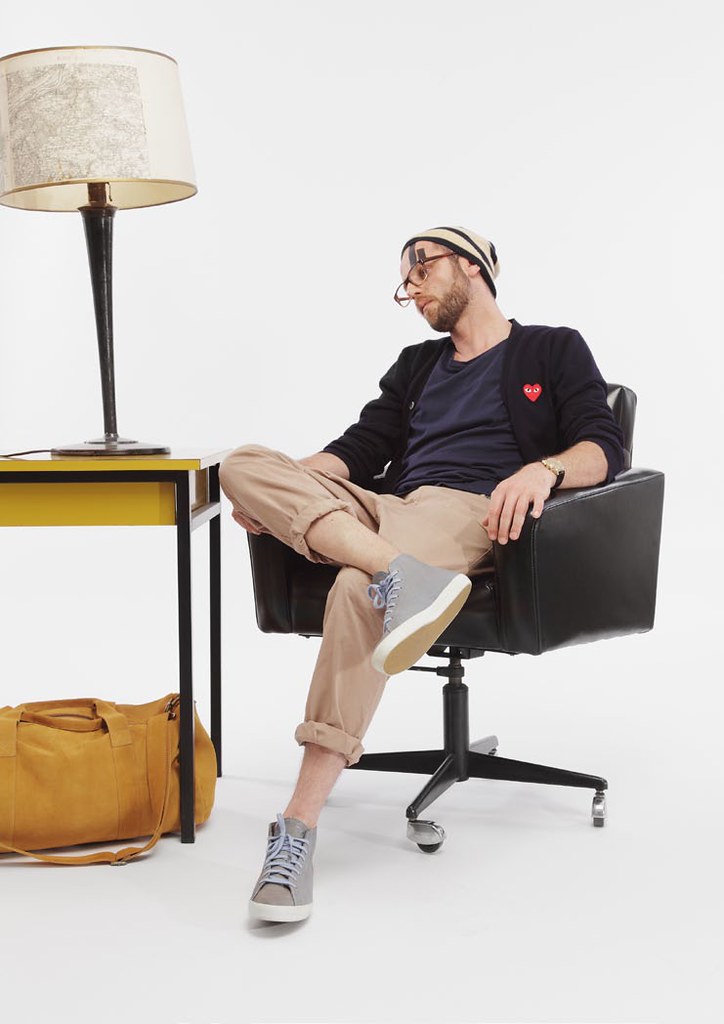
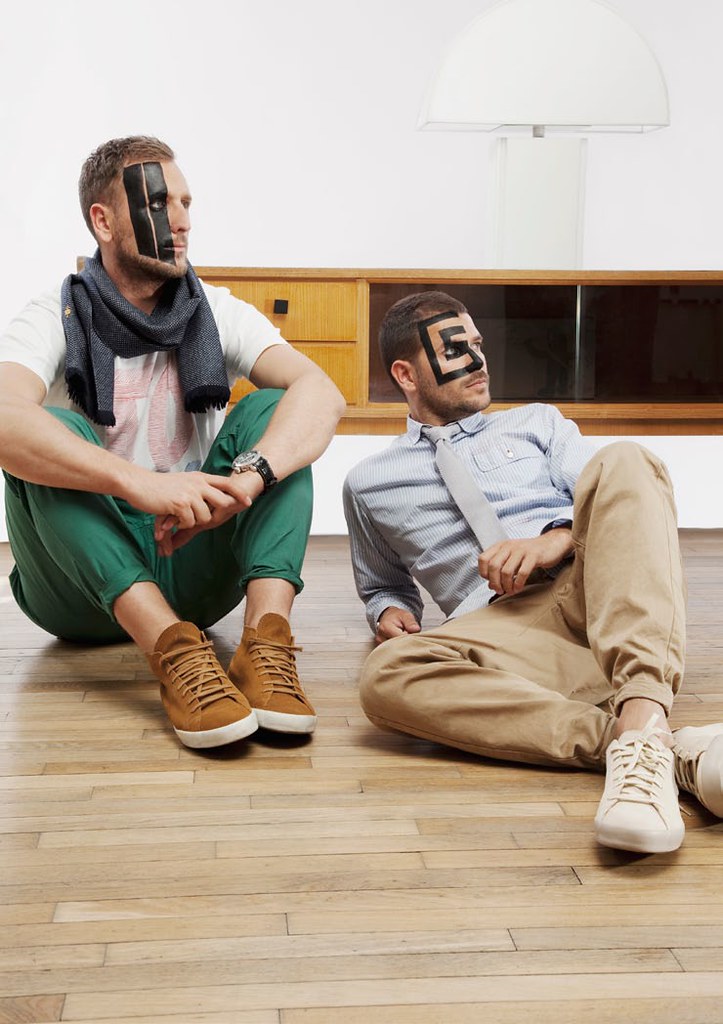
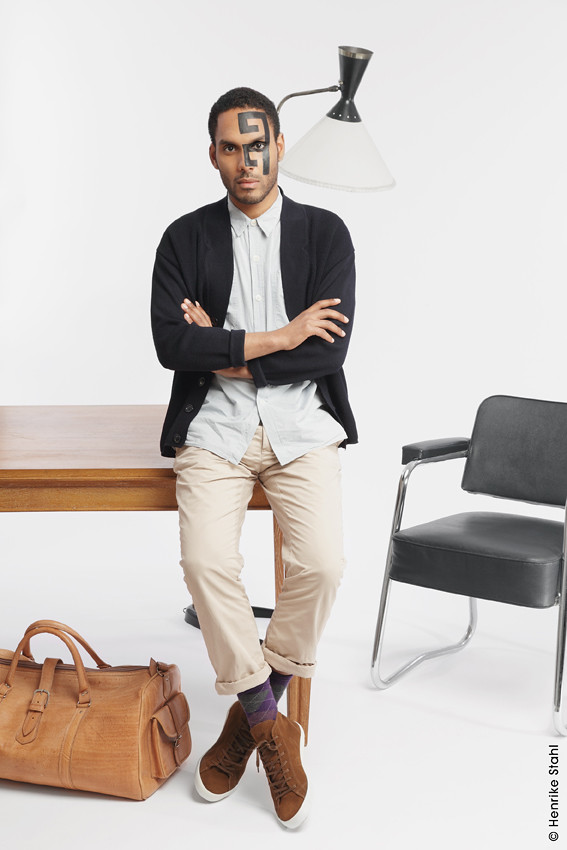
Ordinarily, when I hear the words eco friendly uttered my mind is filled with thoughts of clumpy hemp or folksy printed creations but fortunately Veja offer a different proposition. They have managed to come up some of the best looking fair trade products I've ever come across, none more so than the Indigenos range. To celebrate the latest launch, the label have created a look book featuring a number of their retail supporters...


The Indigenos lookbook features retail characters from a selection of the best independent stores across Europe. Oi Polloi, Prive Joke, Addict, Novoid Plus, Diverse Menswear, Antic Boutik, The Three Threads all take part. The band of shopkeeping talent met at the Veja studio in Paris last June to produce a photoshoot that celebrates the launch.


Gregory Siary - Novoid Plus


Tony Jimenez and Suso Ramos - Addict.


Alex Mein - Diverse


Sebastian Beesley and Patrick Little - Oi Polloi


Veja wanted the Indigenos lookbook to be a tribute to their work and vision while showcasing the latest model. I love both the concept and execution. These retail figures represent the essence of the Indigenos style in a previously unseen way. Over the years our High Streets have become so overrun with huge chain outlets that they have lost their community spirit. On the most part, if you have seen one high street you have seen them all. These individuals, along with many others are trying to change this sorry state of affairs. They all oppose homogenized global fashion with their comsidered selection of styles while nurturing independent labels and projects, just like Veja. Like the Indegenos, these retailers stand strong. For me, the shoot manages to capture the individuality of each store and ultimately demonstrates the versatility of the Indigenos range.

Filippa K Scarf


Here is a Filippa K check scarf looking like a picnic cloth. Checks like those are definitely vintage and you can match them with any plain outfit. The only snag is the price which could be expensive for such a timeless item that you can find in any frippery, but be sure you would never get a Filippa K ;)


Categories

13STEP (3) 501 (1) A/W 2010 (15) A|X (1) ACCESSORIES (1) APC (1) ARMANI EXCHANGE (1) ARTIST (3) AUTOMNE-HIVER (1) ax (1) BAG (1) BEAUTY (1) BECKHAM (1) BOOK (1) BRAND (1) BUGATTI (1) BURBERRY (2) CALVIN KLEIN (2) DANCE (1) DAVID BECKHAM (1) DIESEL (2) DIOR HOMME (2) DOLCE (1) DUNHILL (1) ECO (1) ES (2) EVENT (1) FASHION (39) FASHIONSHOW (12) FEATURE (3) FERRE (1) FITNESS (5) FOOTWEAR (2) FORD (1) GABBANA (1) GIANFRANCO (1) GIFT (1) GUCCI (1) GUCCI HOMME (2) GYM (4) HM (2) HONDA (1) HUGO BOSS (1) INJURY (1) IPAD (1) jeans (2) KOREAN (1) LAMBORGHINI (2) LANVIN (1) LCEBERG (1) LEATHER (1) LES HOMMES (1) LIFESTYLE (2) LIVING (1) LOUIS VUITTON (2) LV (1) MAGAZINE (1) MANCHESTER UNITED (1) MARC JACOBS (1) MILITARY (1) model (32) MOTOR (7) PAPI (1) PAUL SMITH (2) PEN (1) perfume (1) PRADA (1) RED (1) SEXY (6) SHOE (1) SKINCARE (1) STYLING (3) SWIMWEAR (1) teamm8 (2) TIE (1) TODGER (1) TOPMAN (2) UNDERWEAR (44) VERSACE (1) WALLET (2) WATCH (2) WINTER (10) YSL (1) ZARA (1)
Twitter Delicious Facebook Digg Stumbleupon Favorites More

 
Design by Free WordPress Themes | Bloggerized by Lasantha - Premium Blogger Themes | Bluehost Coupons